Best Prenatal Vitamins in Pakistan: What Every Expecting Mother Should Know
Complete guide to choosing the best prenatal vitamins in Pakistan. Compare key ingredients, dosages, local brands, and learn what your doctor may not tell you about folic acid, iron, and DHA.
Finding the right prenatal vitamin in Pakistan feels like wandering through a maze. Pharmacy shelves carry dozens of options imported brands at premium prices, local generics with confusing labels, and everything in between. Your gynecologist might scribble a brand name on a prescription pad without explaining why that particular one, or what to do if it makes you nauseous. Meanwhile, well-meaning relatives insist that desi ghee and doodh are all you need.
Here is the reality: prenatal vitamins are not optional luxury items. They are among the most evidence-backed supplements in all of medicine. The right prenatal vitamin, started at the right time, directly reduces the risk of neural tube defects, preterm birth, low birth weight, and maternal anaemia problems that affect hundreds of thousands of Pakistani pregnancies every year.
This guide cuts through the confusion. We will cover exactly what to look for in a prenatal vitamin in Pakistan, which ingredients actually matter (and which are marketing filler), when to start taking them, and how to handle common side effects that make many Pakistani women quit too early.
Table of Contents
- Why Prenatal Vitamins Matter More in Pakistan
- When to Start Taking Prenatal Vitamins
- The 7 Essential Ingredients to Look For
- Ingredients That Are Nice to Have (But Not Critical)
- What to Avoid in Prenatal Supplements
- Choosing Between Local and Imported Brands
- How to Handle Common Side Effects
- Prenatal Nutrition: What Supplements Cannot Replace
- Frequently Asked Questions
Why Prenatal Vitamins Matter More in Pakistan
Pakistan has one of the highest maternal mortality rates in South Asia roughly 186 deaths per 100,000 live births. Micronutrient deficiency plays a significant role in this statistic. Before dismissing prenatal supplements as a Western concept, consider what research tells us about Pakistani women’s nutritional status:
- Anaemia affects 42% of pregnant Pakistani women. Iron deficiency anaemia increases the risk of haemorrhage during delivery the leading cause of maternal death in Pakistan. A single daily iron supplement can cut this risk substantially.
- Folate deficiency is widespread, particularly among women who eat primarily refined grains (maida-based roti and naan). Neural tube defects like spina bifida, which folic acid prevents, occur at rates significantly higher than in countries with flour fortification programmes.
- Vitamin D deficiency exceeds 70-80% among Pakistani women, including pregnant women. Low vitamin D during pregnancy correlates with preeclampsia, gestational diabetes, and poor foetal bone development.
- Calcium intake averages 400-500 mg/day less than half the 1,000-1,200 mg recommended during pregnancy. Inadequate calcium forces the body to leach it from maternal bones to build the baby’s skeleton.
- Iodine deficiency remains endemic in northern and mountainous regions. Iodine is critical for foetal brain development, and even mild deficiency during pregnancy reduces the child’s IQ.
These are not hypothetical concerns. They describe the baseline nutritional reality of the average pregnant woman in Pakistan. A well-chosen prenatal vitamin does not replace good food but it provides a safety net that closes dangerous gaps.
When to Start Taking Prenatal Vitamins
The standard advice is to start prenatal vitamins “when you find out you are pregnant.” This advice is too late.
The neural tube which becomes the baby’s brain and spinal cord forms during the first 28 days after conception. Most women do not even know they are pregnant during this window. By the time a pregnancy test comes back positive, the window for preventing neural tube defects has already narrowed considerably.
The Ideal Timeline
- 3 months before trying to conceive: Start a prenatal vitamin with at least 400 mcg folic acid (or better, methylfolate). This builds tissue stores of folate that protect from day one.
- Throughout pregnancy: Continue daily without gaps. Iron, calcium, and vitamin D needs increase significantly in the second and third trimesters.
- During breastfeeding: Continue for at least 6 months postpartum, or longer if breastfeeding continues. Lactation depletes maternal nutrient stores rapidly particularly DHA, calcium, and iron.
Practical reality in Pakistan: Many pregnancies are unplanned. If you are a woman of reproductive age and pregnancy is a possibility, taking a basic folic acid supplement (even without the full prenatal formula) provides meaningful protection. Folic acid is inexpensive and available at every pharmacy in Pakistan.
The 7 Essential Ingredients to Look For
Not all prenatal vitamins are created equal. Some pack 25 ingredients at low doses a marketing strategy that looks impressive but delivers little. Focus on these seven ingredients at proper dosages:
1. Folic Acid (400-800 mcg) — Non-Negotiable
Folic acid is the single most important nutrient in any prenatal supplement. It reduces neural tube defects (spina bifida, anencephaly) by up to 70%. This is not a modest benefit it is one of the most dramatic prevention effects in medicine.
What to look for: At least 400 mcg. Women with a history of neural tube defects, those on anti-epileptic medications, or those with MTHFR gene variants may need 800-1,000 mcg. The methylfolate form (5-MTHF or L-methylfolate) is better absorbed than synthetic folic acid, especially for the estimated 15-20% of women with MTHFR mutations who process synthetic folic acid poorly.
Pakistan-specific note: Pakistan does not have mandatory flour fortification with folic acid (unlike the US, Canada, and many other countries). This makes supplementation even more critical for Pakistani women.
2. Iron (27-30 mg) — Fights the Anaemia Crisis
Iron needs nearly double during pregnancy from 18 mg to 27 mg daily to support the 50% increase in blood volume and the developing baby’s blood supply. Given that nearly half of pregnant Pakistani women are already anaemic, iron supplementation is essential.
What to look for: 27-30 mg of elemental iron. The form matters enormously for tolerability:
- Iron bisglycinate — best tolerated, least constipation, well absorbed. More expensive but worth it.
- Ferrous fumarate — good absorption, moderate side effects. Commonly used in Pakistan.
- Ferrous sulphate — cheapest and most available. Works fine but causes the most nausea and constipation.
Tip: Take iron with vitamin C (lemon water, orange) to boost absorption by 3-6x. Avoid taking with chai, as tannins block iron absorption by up to 60%.
3. Calcium (200-300 mg) — Protects Your Bones
The baby will take calcium regardless from the supplement or from your bones. Pregnancy and breastfeeding without adequate calcium intake can reduce maternal bone density by 3-5%, increasing later osteoporosis risk.
What to look for: At least 200-300 mg in the prenatal, with additional calcium from diet (dairy, leafy greens). Total daily intake should reach 1,000-1,200 mg. Note that calcium and iron compete for absorption if your prenatal contains both, the formulation should account for this (or you should take them at different times).
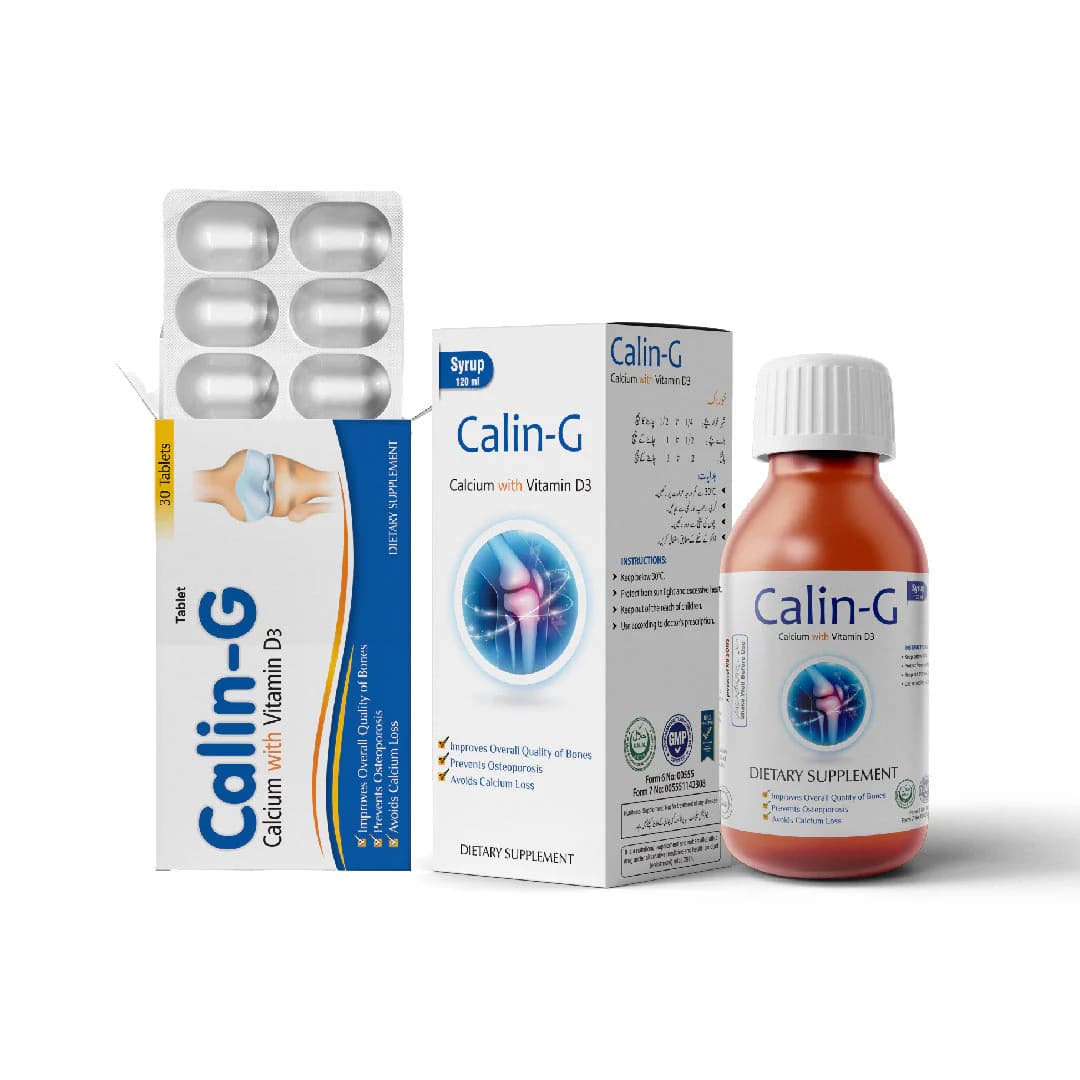
Important: Most prenatal vitamins contain only 200-300 mg of calcium because fitting the full 1,000 mg into a single pill is physically impossible (calcium is bulky). You need dietary sources to bridge the gap. Calosent from Yellow Pink provides calcium lactate gluconate the most bioavailable form for women who need additional calcium beyond their prenatal.
4. Vitamin D3 (600-2,000 IU) — Unlocks Calcium
Without vitamin D, calcium absorption drops from 30-40% to just 10-15%. In a country where 70-80% of women are vitamin D deficient, most pregnant Pakistani women are building a baby’s skeleton with severely compromised calcium absorption.
What to look for: At least 600 IU (the minimum recommendation). Many experts now recommend 1,000-2,000 IU during pregnancy, particularly for women in Pakistan with limited sun exposure. Check your vitamin D levels with a blood test if below 30 ng/mL, your doctor may prescribe higher therapeutic doses.
For women with confirmed deficiency, Vit KD provides a high-potency combination of D3 + K2 to correct deficiency quickly before transitioning to a maintenance dose.
5. DHA / Omega-3 (200-300 mg) — Brain Building
DHA (docosahexaenoic acid) is a structural fat that makes up a significant portion of the baby’s brain and retina. The third trimester sees the most rapid brain growth, and DHA demand peaks during this period.
What to look for: At least 200 mg of DHA specifically (not just “omega-3” EPA is important but DHA is the one critical for foetal brain development). Fish oil capsules are the most common source. Algae-based DHA is available for those who avoid fish products.
Pakistan-specific note: Pakistani diets are typically low in fatty fish (salmon, mackerel, sardines). Coastal regions fare better, but inland cities like Islamabad, Lahore, and Faisalabad have limited access to quality fish. DHA supplementation is particularly important for inland Pakistani women.
6. Iodine (150-220 mcg) — Brain Development
Iodine is essential for thyroid hormones, which regulate foetal brain development. Even mild iodine deficiency during pregnancy reduces the child’s cognitive potential. Severe deficiency causes cretinism — preventable intellectual disability.
What to look for: 150-220 mcg of iodine in the prenatal supplement. Pakistani women using iodised salt get some dietary iodine, but not all households use iodised salt (particularly in rural areas and northern regions). Many premium prenatals omit iodine entirely check the label.
7. Zinc (11-15 mg) — Immune and Growth Support
Zinc supports immune function, cell division, and foetal growth. Deficiency during pregnancy is linked to prolonged labour, preterm delivery, and low birth weight. Pakistani diets high in phytate-rich foods (wheat, rice, legumes) inhibit zinc absorption, making supplementation valuable.
What to look for: 11-15 mg of zinc in the prenatal. Zinc picolinate or zinc bisglycinate absorb better than zinc oxide (the cheapest and least absorbed form).
Ingredients That Are Nice to Have (But Not Critical)
Beyond the essential seven, some prenatal vitamins include additional nutrients that provide benefits but are not strictly necessary if your diet is reasonably balanced:
- Vitamin B6 (10-25 mg): Helps manage pregnancy nausea. If morning sickness is severe, a prenatal with higher B6 (or a separate B6 supplement) can make a meaningful difference. Some doctors prescribe B6 specifically for nausea before considering medications.
- Vitamin B12 (2.6 mcg): Important for nerve development. Most Pakistani diets include enough B12 from meat, eggs, and dairy. Vegetarian women should ensure their prenatal includes it.
- Magnesium (200-350 mg): Reduces leg cramps (extremely common in pregnancy), supports sleep quality, and may reduce preeclampsia risk. Most prenatals contain only small amounts due to pill size constraints. A separate magnesium supplement in the evening can help Calco Fit provides magnesium glycinate, the best-absorbed and most gentle form.
- Vitamin C (70-85 mg): Supports iron absorption and immune function. Most Pakistani diets provide adequate vitamin C from citrus fruits, amla, and vegetables.
- Vitamin A (770 mcg RAE / 2,565 IU): Important for foetal eye and immune development. Caution: Excess preformed vitamin A (retinol) above 3,000 mcg is teratogenic it can cause birth defects. Ensure the vitamin A in your prenatal is mostly from beta-carotene (safe, converts as needed) rather than retinol.
- Choline (450 mg): Emerging research suggests choline is as important as folate for preventing neural tube defects and supporting brain development. Very few prenatals include adequate choline eggs are the best dietary source (2 eggs provide ~300 mg).
What to Avoid in Prenatal Supplements
Some ingredients and formulations raise red flags:
- High-dose vitamin A as retinol: Above 3,000 mcg (10,000 IU) of preformed retinol is linked to birth defects. This applies to retinol not beta-carotene, which is safe. Check labels carefully.
- Herbal blends and “traditional” additions: Some Pakistani-marketed prenatals include herbal mixtures (ashwagandha, shatavari) without proper safety data for pregnancy. Avoid any prenatal with herbal ingredients unless your doctor specifically approves them.
- Excessive iron (above 45 mg): Unless prescribed for severe anaemia, iron above 45 mg daily causes significant constipation and nausea without proportional benefit.
- Artificial colours and unnecessary fillers: While not harmful in small amounts, a quality prenatal should not need artificial colouring. If the pill is bright pink or blue, question what else the manufacturer prioritised over substance.
- Missing key ingredients: Some very cheap prenatals contain only folic acid and iron skipping calcium, vitamin D, iodine, and DHA entirely. These are incomplete and create a false sense of coverage.
Choosing Between Local and Imported Brands
This is a question every pregnant Pakistani woman faces. Here is an honest assessment:
Imported Brands (Centrum Prenatal, Elevit, Nature Made)
Pros: Generally complete formulations, better quality control, evidence-based dosages, widely studied in clinical trials.
Cons: Expensive (Rs. 3,000-8,000 per month), may not be available outside major city pharmacies, import quality can vary (beware of counterfeits on unverified online sellers), some ingredients dosed for Western diets rather than Pakistani nutritional gaps.
Local Brands
Pros: Affordable (Rs. 800-2,500 per month), widely available, formulated by Pakistani pharmaceutical companies who understand local nutritional profiles, some include higher vitamin D doses reflecting Pakistan’s deficiency epidemic.
Cons: Formulations vary dramatically in quality some are comprehensive, others cut corners on expensive ingredients like DHA and methylfolate.
The Smart Approach
Price does not determine quality. Evaluate based on the seven essential ingredients listed above, at proper dosages. A Rs. 1,500 local prenatal with folic acid (400 mcg), iron (27 mg), calcium (200 mg), vitamin D (1,000 IU), DHA (200 mg), iodine (150 mcg), and zinc (11 mg) is better than a Rs. 6,000 imported brand that looks premium but skips iodine and DHA.
For women already taking Yellow Pink supplements like M-Sol for fertility support before pregnancy, discuss with your doctor about transitioning to a prenatal formulation once pregnancy is confirmed. Myo-inositol and D-chiro-inositol (M-Sol’s active ingredients) are primarily used for conception support and PCOS management rather than ongoing prenatal supplementation.
How to Handle Common Side Effects
The most common reason Pakistani women stop taking prenatal vitamins is side effects primarily nausea and constipation. Both are manageable:
Nausea
- Take the vitamin at night with a light snack rather than in the morning. You sleep through the nausea window.
- Switch to a different iron form. Ferrous sulphate causes the most nausea. Ask your pharmacist for a brand using iron bisglycinate or ferrous fumarate.
- Try splitting the dose if your prenatal allows it half in the morning, half at night.
- Ginger chai (without milk, just adrak and garam pani) 20 minutes before taking the vitamin reduces nausea significantly.
- Consider a prenatal without iron during the first trimester when nausea peaks, and add a separate low-dose iron supplement in the second trimester when nausea typically subsides.
Constipation
- Increase water intake to at least 8-10 glasses daily. This alone resolves constipation for many women.
- Eat fibre-rich foods: isabgol husk (psyllium) in water before bed is a traditional Pakistani remedy that works excellently with iron supplementation.
- Walk daily — even 15-20 minutes stimulates bowel motility.
- Switch iron forms — iron bisglycinate causes significantly less constipation than ferrous sulphate.
- Magnesium supplementation (like Calco Fit magnesium glycinate) naturally promotes regular bowel movements while providing bone-supporting benefits.
Do not stop taking your prenatal due to side effects without talking to your doctor. The solution is almost always switching brands, adjusting timing, or managing symptoms not stopping entirely.
Prenatal Nutrition: What Supplements Cannot Replace
A prenatal vitamin is a safety net, not a substitute for food. These dietary habits matter enormously during pregnancy:
- Protein (70-100g daily): Eggs, chicken, daal, paneer, yogurt. Protein is the primary building material for foetal growth. Many Pakistani women eat protein portions too small during pregnancy.
- Leafy greens daily: Palak, sarson ka saag, methi provide folate, iron, calcium, and magnesium in their natural, easily absorbed forms.
- Dairy (3 servings): Milk, dahi, lassi, paneer. The calcium, protein, and probiotics in dairy support both mother and baby.
- Fruits (2-3 daily): Kela (potassium), kinnow/malta (vitamin C + folate), amrood/guava (vitamin C). Fruits provide fibre that counters iron-supplement constipation.
- Healthy fats: Desi ghee (in moderation), almonds, walnuts. Fat is essential for baby’s brain development and for absorbing fat-soluble vitamins (A, D, E, K).
- Hydration: At least 2.5-3 litres of water daily. Dehydration worsens nausea, constipation, and fatigue already common pregnancy complaints.
Foods to limit: Excessive chai (tannins block iron and calcium absorption limit to 1-2 cups daily), raw or undercooked meat, soft unpasteurised cheeses (paneer from unverified sources), excessive caffeine (under 200 mg/day is considered safe), and high-mercury fish.
Frequently Asked Questions
What are the best prenatal vitamins available in Pakistan?
The best prenatal vitamin is one that contains all seven essential ingredients at proper doses: folic acid (400-800 mcg), iron (27 mg), calcium (200+ mg), vitamin D3 (600-2,000 IU), DHA (200 mg), iodine (150 mcg), and zinc (11 mg). Both local and imported brands can meet this standard. Check labels rather than trusting brand reputation. Price does not always indicate quality — some affordable local brands provide more complete formulations than expensive imports.
When should I start taking prenatal vitamins if I am trying to conceive in Pakistan?
Start at least 3 months before trying to conceive. Folic acid needs time to build adequate tissue levels that protect against neural tube defects during the first 28 days of pregnancy often before you know you are pregnant. If you are a woman of reproductive age and pregnancy is possible, even a basic folic acid supplement (available for under Rs. 200 at any Pakistani pharmacy) provides meaningful protection.
Can I take prenatal vitamins on an empty stomach?
It is not recommended. Prenatal vitamins, particularly those containing iron, commonly cause nausea when taken on an empty stomach. Take them with a meal or light snack. Many Pakistani women find taking them with dinner or at bedtime works best nausea occurs while sleeping rather than during the active day. If nausea persists regardless of timing, consult your gynaecologist about switching to a different brand or iron form.
Is it safe to take additional supplements alongside my prenatal vitamin?
Yes, but with awareness of total dosages. Common safe additions include extra vitamin D3 (if deficient), magnesium (for cramps and sleep), and omega-3/DHA (if the prenatal does not include it). Avoid doubling up on vitamin A (keep total under 3,000 mcg retinol). Always inform your doctor about all supplements you are taking so they can monitor for interactions and appropriate dosing.
Do prenatal vitamins cause weight gain?
No. Prenatal vitamins contain negligible calories. Weight gain during pregnancy is caused by the baby’s growth, increased blood volume, amniotic fluid, and maternal fat stores not by vitamins. If anything, adequate nutrition from supplements supports a healthier pregnancy weight trajectory. Women who avoid prenatals due to weight concerns are depriving themselves and their baby of essential nutrients without any weight benefit.
Conclusion
Choosing the best prenatal vitamins in Pakistan does not require spending a fortune or decoding medical jargon. It requires understanding seven key ingredients, checking labels honestly, and starting early enough to make a difference.
The evidence is unambiguous: folic acid prevents neural tube defects, iron prevents anaemia, vitamin D enables calcium absorption, DHA supports brain development, and the remaining essential nutrients fill gaps that Pakistani diets commonly leave. These are not marginal benefits they are the difference between preventable complications and healthier outcomes for mother and child.
Start your prenatal vitamin before conception if possible. If you are already pregnant, start today. Choose a formulation with the seven essentials at proper doses. Manage side effects through timing adjustments and iron form switches rather than quitting. And pair your supplement with a nutrient-dense diet rich in protein, dairy, greens, and fruits.
Building a healthy pregnancy? Explore the complete range of maternal health supplements at Yellow Pink Pakistan, including M-Sol for fertility support, Repro F for comprehensive prenatal nutrition, and Calosent for calcium supplementation. Your body is building a human being give it the materials it needs.