Creatine Monohydrate in Pakistan: Complete Guide for Gym-Goers 2026
If you spend any time in a Pakistani gym, you have probably noticed something: creatine monohydrate is having a moment. What was once a niche supplement used by competitive bodybuilders…
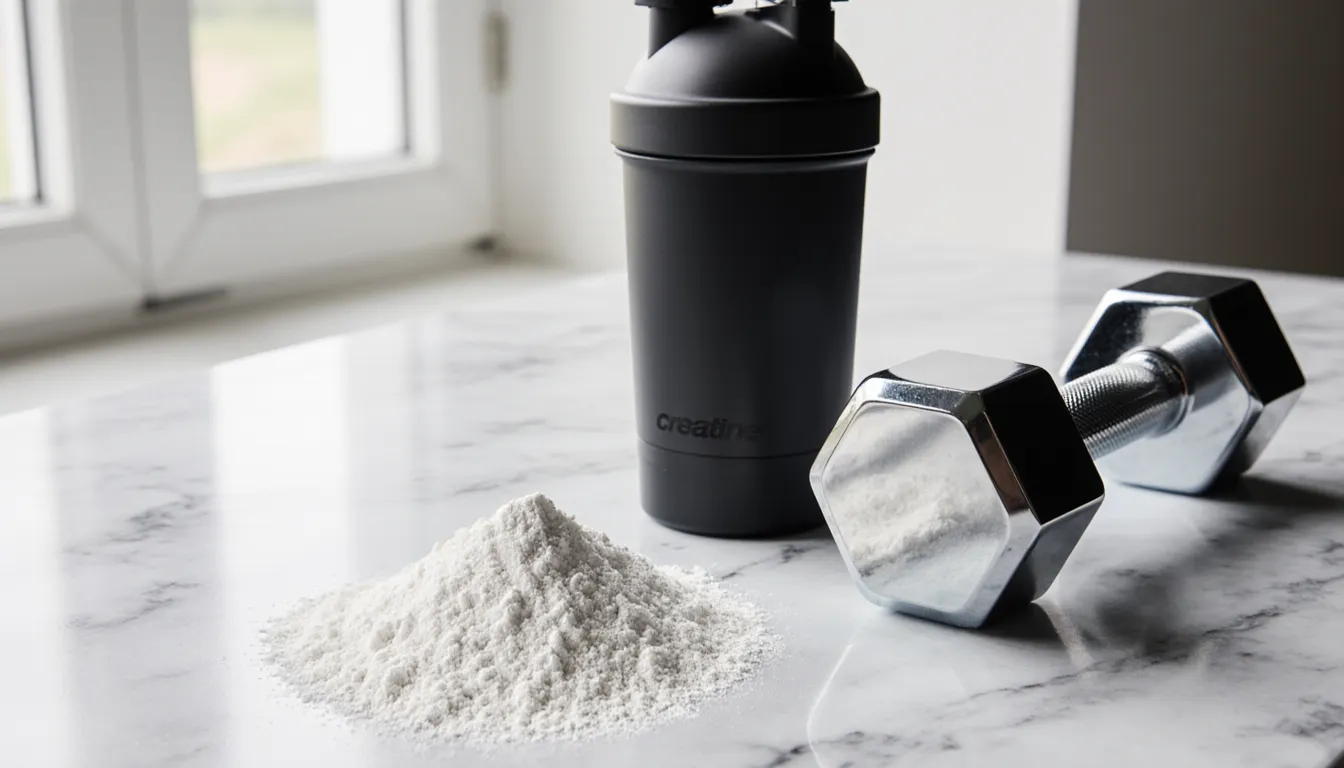
If you spend any time in a Pakistani gym, you have probably noticed something: creatine monohydrate is having a moment. What was once a niche supplement used by competitive bodybuilders is now showing up in the gym bags of students, office workers, and serious fitness enthusiasts across Karachi, Lahore, and Islamabad. Daraz bestseller lists confirm the surge — creatine consistently ranks among the top-selling sports supplements in Pakistan in 2026.
The reasons are not hard to understand. Creatine monohydrate is backed by more peer-reviewed research than virtually any other sports supplement in existence. It has been studied for over 30 years. Its safety profile is exceptionally well-established. And it works — measurably, reliably, and quickly.
This guide covers everything Pakistani gym-goers need to know about creatine monohydrate in 2026: what it actually does inside your body, who benefits most from it, how to dose it properly, what to look for when buying in Pakistan, and how to stack it with products like X-fit and Argivital for a complete performance nutrition approach.
What Is Creatine Monohydrate?
Creatine is a naturally occurring compound made from three amino acids: glycine, arginine, and methionine. Your liver, kidneys, and pancreas produce about 1–2 grams of creatine per day endogenously, and you get additional creatine from dietary sources — primarily red meat and fish. A 200-gram serving of beef contains roughly 0.9 grams of creatine. A similar serving of salmon contains about 0.8 grams.
The problem is that optimal athletic performance — and the research benefits associated with creatine supplementation — require approximately 3–5 grams per day total creatine in the muscle. Most people, especially those who eat limited red meat (which is common in Pakistan for economic reasons), have muscle creatine stores that are 70–80% of their theoretical maximum. Supplementation fills that gap.
Creatine monohydrate is simply creatine bound to a water molecule — the most studied, most cost-effective, and most bioavailable form. Despite what supplement marketing would have you believe, there is no form of creatine that has demonstrated superior results in head-to-head trials against monohydrate. It remains the gold standard.
How Creatine Works in Your Body
To understand why creatine is so effective, you need a basic understanding of how your muscles produce energy during intense exercise.
Your muscles use a molecule called ATP (adenosine triphosphate) as their immediate energy currency. When you lift a heavy weight or sprint, your muscles break down ATP incredibly fast — faster than the aerobic energy system can replenish it. The first line of defense is the phosphocreatine (PCr) system: stored phosphocreatine in the muscle donates a phosphate group to replenish ATP near-instantly, sustaining maximal effort for 5–10 seconds.
When you supplement with creatine monohydrate, you increase the amount of phosphocreatine stored in your muscle tissue — by approximately 20–40% in most people. This means:
- More reps before failure: You can sustain maximal effort slightly longer on each set before phosphocreatine is depleted.
- Faster recovery between sets: Phosphocreatine stores replenish faster when they are higher, meaning you recover more completely in the 2–3 minutes between sets.
- Greater total training volume: More reps per set and faster recovery allows more total work per session — the primary driver of hypertrophy.
- Cell volumization: Creatine draws water into muscle cells, increasing intracellular volume. This is not just cosmetic “water weight” — cellular hydration is an anabolic signal that promotes muscle protein synthesis.
What the Research Actually Shows
Creatine monohydrate is the most researched sports supplement on the planet — over 500 peer-reviewed studies have been published. Here is what the evidence consistently demonstrates:
Strength Gains
A 2003 meta-analysis published in the Journal of Strength and Conditioning Research analyzed 22 controlled studies and found that creatine supplementation produced an average 8% increase in maximal strength compared to placebo. In absolute terms, this typically means adding 5–10 kg to compound lifts within the first 4–8 weeks of supplementation. For Pakistani gym-goers grinding through plateaus, this is meaningful progress.
Muscle Mass
Multiple meta-analyses have confirmed that creatine supplementation, combined with resistance training, produces significantly greater lean mass gains than training alone. The average advantage in controlled studies is approximately 1.4 kg of additional lean mass over an 8–12 week period. This is attributable to both the direct performance enhancement (more volume = more muscle signal) and cell volumization effects.
High-Intensity Performance
The performance benefits extend beyond the gym. Research shows creatine improves performance in any activity relying heavily on the phosphocreatine system — sprinting, football, cricket (short explosive bursts), martial arts, and similar sports that are popular in Pakistan. A 2012 Cochrane review confirmed performance benefits across these high-intensity, short-duration activity types.
Brain Health
Emerging and increasingly robust research suggests creatine has meaningful cognitive benefits — particularly under conditions of sleep deprivation, mental fatigue, or psychological stress. A 2022 review in Nutrients found that creatine supplementation improved working memory and processing speed, particularly in vegetarians/vegans (who have lower baseline creatine stores) and in sleep-deprived individuals. Given Pakistan’s culture of late nights and early mornings, this is a practically relevant finding.
Who Benefits Most from Creatine in Pakistan?
Not everyone responds to creatine equally — this is a well-documented phenomenon called “responders vs. non-responders.” However, the research identifies clear patterns for who benefits most:
People Who Eat Limited Red Meat
This is the most important predictor of creatine response. People with lower baseline muscle creatine stores — which includes vegetarians, those who eat meat infrequently, and those on lower-protein diets — show the largest gains from supplementation. In Pakistan, where red meat consumption is limited for many households due to cost, a significant proportion of gym-goers are likely to be “high responders” to creatine.
Intermediate to Advanced Lifters
Beginners will make substantial strength and muscle gains from training alone — their nervous system adaptations dominate results in the first 3–6 months regardless of supplementation. Creatine becomes most valuable once you have sufficient training experience that additional percent improvements in performance are harder to achieve through programming alone. If you have been training consistently for more than 6 months, creatine is worth serious consideration.
Athletes in Power and Sprint Sports
Cricket batsmen (explosive running between wickets), football midfielders (repeated sprints), martial artists, and track athletes doing short-distance events will all see measurable performance improvements. The phosphocreatine system is critical in any sport requiring 5–15 seconds of maximal effort repeated multiple times.
Older Adults (40+)
Creatine has shown particularly strong benefits in older populations, where it helps preserve muscle mass and functional strength as natural creatine synthesis declines. This is an underappreciated application in Pakistan where joint pain and muscle loss in middle age significantly affect quality of life.
How to Use Creatine Monohydrate: Dosing Protocol
The good news about creatine dosing is that the research is clear and the protocol is simple. There are two approaches:
Option 1: Loading Protocol (Faster Results)
- Loading phase: 20 grams per day for 5–7 days, split into 4 doses of 5g throughout the day
- Maintenance phase: 3–5 grams per day continuously after loading
- Result: Muscle creatine stores saturate in 5–7 days; performance benefits begin within the first week
The loading protocol causes more rapid water retention in muscle tissue during the first week (typically 1–2 kg of cellular water weight), which some people find uncomfortable or bloating. The gastrointestinal side effects (mild cramping, diarrhea) of high loading doses can be reduced by splitting doses into smaller portions taken with meals.
Option 2: Steady-State Protocol (Slower but Cleaner)
- No loading phase: Start directly with 3–5 grams per day
- Timeline: Muscle creatine stores saturate in approximately 3–4 weeks
- Result: Same endpoint as loading, just reached more gradually
The steady-state protocol is preferred by many experienced users because it avoids the initial water weight fluctuation and is simpler to execute. For most Pakistani gym-goers who are not preparing for an imminent competition, this is the more practical approach.
Timing: Does It Matter?
The research on creatine timing is mixed, but the preponderance of evidence suggests that taking creatine close to your workout (either pre or post) produces slightly better results than taking it at a random time during the day. A 2013 study in the Journal of the International Society of Sports Nutrition found that post-workout creatine produced marginally greater lean mass gains than pre-workout or morning supplementation. In practice: take it before or after training, mixed with water, juice, or a protein shake.
Do You Need to Cycle Creatine?
No. The old cycling advice (“8 weeks on, 4 weeks off”) was based on early misunderstandings about how creatine works and concerns about endogenous production suppression that have not been supported by long-term research. Multiple 5-year continuous supplementation studies have shown no adverse effects and no suppression of the body’s natural creatine synthesis pathways. You can take creatine year-round indefinitely.
Safety Profile: Addressing Common Concerns in Pakistan
Creatine is surrounded by myths and misconceptions that are particularly prevalent in South Asian gym culture. Let us address them directly:
“Creatine damages your kidneys”
This is the most persistent myth about creatine and it is not supported by evidence. Creatine supplementation increases creatinine levels in blood tests — and creatinine is a marker used to estimate kidney function — but this does NOT indicate kidney damage. The elevated creatinine comes from the increased creatine pool, not from impaired kidney filtration. Multiple long-term studies in healthy adults have shown no adverse effect on kidney function, including a 5-year study published in Medicine & Science in Sports & Exercise. People with pre-existing kidney disease should consult a doctor before supplementing, but for healthy individuals, creatine poses no kidney risk.
“Creatine causes hair loss”
This concern stems from a single 2009 study of rugby players that found creatine supplementation increased DHT (dihydrotestosterone) levels — a hormone associated with male pattern baldness. The study has significant limitations: it measured DHT, not actual hair loss; DHT was still within the normal reference range after supplementation; and the finding has not been replicated in subsequent research. The scientific consensus is that creatine does not cause hair loss in men without genetic predisposition to male pattern baldness. If you already have significant family history of early hair loss, this is worth being aware of, but it is not a definitive risk.
“Creatine is a steroid”
Creatine is not a steroid. It is not even close to a steroid in chemical structure, mechanism of action, or regulatory status. Creatine is a naturally occurring amino acid derivative that your body produces and that exists in the foods you eat. It is legal in all sports, approved as a dietary supplement worldwide, and has no hormonal effects. This myth likely persists because creatine is associated with muscle building, and steroids are associated with muscle building — but the mechanisms are entirely different.
“You need to drink enormous amounts of water”
Creatine does increase intramuscular water retention, which means adequate hydration is genuinely important. However, the advice to drink “4–5 extra liters per day” circulating in Pakistani gym culture is an exaggeration. Increase your water intake modestly — add 500ml–1 liter per day above your normal intake — and listen to your body’s thirst signals. Dehydration during creatine loading can cause cramping, but it is easily avoided with normal good hydration practices.
Creatine and the Pakistani Gym Scene in 2026
Pakistan’s gym culture has transformed rapidly in the past 3 years. Commercial gyms are opening at an accelerating pace in Islamabad, Lahore, and Karachi. Fitness influencer content on Instagram and YouTube (both Pakistani creators and Indian fitness channels that are widely watched in Pakistan) has dramatically increased supplement literacy. Young men in their 20s and 30s are researching creatine on their own and arriving at gyms already knowing what they want.
The challenge for Pakistani gym-goers has shifted from “should I use creatine?” to “where do I get quality creatine at a reasonable price?” Imported brands like Optimum Nutrition Micronized Creatine and MuscleTech Platinum Creatine command premium prices due to import duties. Local alternatives are emerging but quality varies significantly.
The key quality indicators to look for when purchasing creatine in Pakistan:
- Creapure certification: The gold standard of creatine purity. Creapure is manufactured in Germany by AlzChem and is tested for banned substances and heavy metals. Any brand using Creapure will advertise it prominently.
- Third-party testing: Look for brands that show third-party lab certificates of analysis (COA). These verify the actual creatine content and confirm absence of contaminants.
- Micronized powder: Micronized creatine dissolves more completely in water, reducing the grainy texture and potential for GI discomfort.
- Minimal ingredients: Quality creatine monohydrate should contain creatine monohydrate. Period. Any product adding “creatine transporters,” alkaline buffers (Kre-Alkalyn), or elaborate blends is typically adding unnecessary cost without additional benefit.
Stacking Creatine with Yellow Pink Products
Creatine works best as part of a complete performance nutrition stack. Yellow Pink offers several products that complement creatine supplementation effectively:
X-fit + Creatine: Complete Male Vitality and Performance Stack
X-fit is Yellow Pink’s male vitality supplement, containing a blend of tribulus terrestris, zinc, vitamins, and herbs that support testosterone levels and energy. Combining X-fit with creatine monohydrate addresses performance from two directions: creatine enhances the phosphocreatine system (immediate energy for intense exercise), while X-fit supports hormonal health and sustained vitality over time. This is a comprehensive stack for men looking to maximize gym performance, recovery, and overall masculine health.
Argivital + Creatine: Pre-Workout Synergy
Argivital contains L-arginine, a precursor to nitric oxide (NO). Nitric oxide is a vasodilator — it relaxes and widens blood vessels, increasing blood flow to working muscles. This “pump” effect is distinct from creatine’s mechanism: creatine enhances ATP resynthesis, while L-arginine enhances nutrient and oxygen delivery. The two are genuinely complementary. Take Argivital as your pre-workout (30–45 minutes before training), then take creatine post-workout with a carbohydrate-containing meal or shake.
Trimo-M + Creatine: Testosterone and Strength Synergy
Trimo-M is Yellow Pink’s testosterone support formula. Higher testosterone levels (within the normal physiological range) support muscle protein synthesis, recovery, and strength adaptations. Creatine supports the same goals through a different mechanism. Together, Trimo-M and creatine represent a comprehensive natural approach to optimizing male training performance without pharmaceutical intervention.
Practical Tips for Pakistani Gym-Goers Using Creatine
- Mix it right: Creatine monohydrate does not dissolve perfectly in cold water — mix it in warm water or juice for better dissolution. Stir vigorously for 30 seconds before drinking.
- Consistency is everything: Creatine works by saturating muscle stores over time. Missing days during loading or taking inconsistent doses during maintenance will slow your results. Set a daily alarm if needed.
- Pair with carbohydrates: Early research showed that taking creatine alongside carbohydrates (which spike insulin) enhanced uptake into muscle cells. While modern evidence suggests the effect is modest for most people, there is no downside to taking your creatine with fruit juice or a banana post-workout.
- Do not refrigerate: Creatine monohydrate powder is extremely stable at room temperature. Keep it dry, away from moisture, and sealed — that is all it needs. Exposing it to repeated moisture (humid Pakistani summers, opening the bag in a humid bathroom) can cause clumping but does not reduce potency.
- Track your progress: Write down your strength numbers before starting creatine and again 4–6 weeks later. The data will motivate you and help you distinguish actual creatine effects from placebo responses.
Frequently Asked Questions
Can women take creatine monohydrate?
Absolutely. Women have muscle tissue that uses phosphocreatine just like men’s muscles do. Research shows women respond to creatine supplementation with similar strength and performance improvements. The water retention effect is present but proportionally smaller. Women interested in strength training, HIIT, or maintaining muscle mass should absolutely consider creatine. The hormonal effects (slightly elevated DHT) are not a meaningful concern for women.
How long until I see results from creatine?
With a loading protocol: performance improvements are noticeable within the first week. Without loading: most people notice strength improvements after 3–4 weeks of consistent supplementation. The water weight increase (cellular hydration) happens faster — often within the first few days — and can make muscles look fuller. True muscle mass gains from the increased training volume accumulate over months, not weeks.
Will I lose my gains when I stop taking creatine?
When you stop creatine, your muscle creatine stores return to baseline over 4–6 weeks. You will lose the cellular water retention (the “pump” effect), which can reduce the appearance of muscle fullness by 1–2 kg on the scale. However, the muscle you actually built through harder training does not disappear. You keep the muscle; you lose the water-related size. This is why creatine cycling (on/off phases) does not produce the net negative effects many gym-goers fear.
Conclusion: Should Pakistani Gym-Goers Use Creatine Monohydrate?
For intermediate and advanced trainees with realistic performance goals, the answer is a clear yes. Creatine monohydrate is the single most researched and most effective sports supplement available, with a safety record spanning three decades and hundreds of studies. Its benefits — measurable strength gains, accelerated muscle growth, faster recovery, and emerging cognitive benefits — are achieved without hormonal manipulation, significant side effects, or complexity.
In the context of Pakistani gym culture in 2026, creatine is no longer a niche product for competitive bodybuilders. It is the most sensible first supplement for anyone serious about training results. Combine it with quality protein intake, consistent training, adequate sleep, and complementary products like X-fit and Argivital, and you have a complete, evidence-based performance nutrition foundation.
Start with 3–5 grams per day, take it consistently, train hard, eat enough protein, and give it 4–6 weeks before assessing results. The research says it will work. Thousands of Pakistani gym-goers discovering it in 2026 are finding out firsthand.
Liked this one? Get the next in your inbox.
One fortnightly note from the editors — new pieces, restocks, and the routines we're actually using. Unsubscribe any time.