CoQ10 Benefits for Fertility: What You Need to Know (2026)
Complete guide to CoQ10 for fertility in Pakistan. Learn dosage for men and women, egg quality benefits, sperm count improvement, PCOS support, and where to buy CoQ10 supplements.
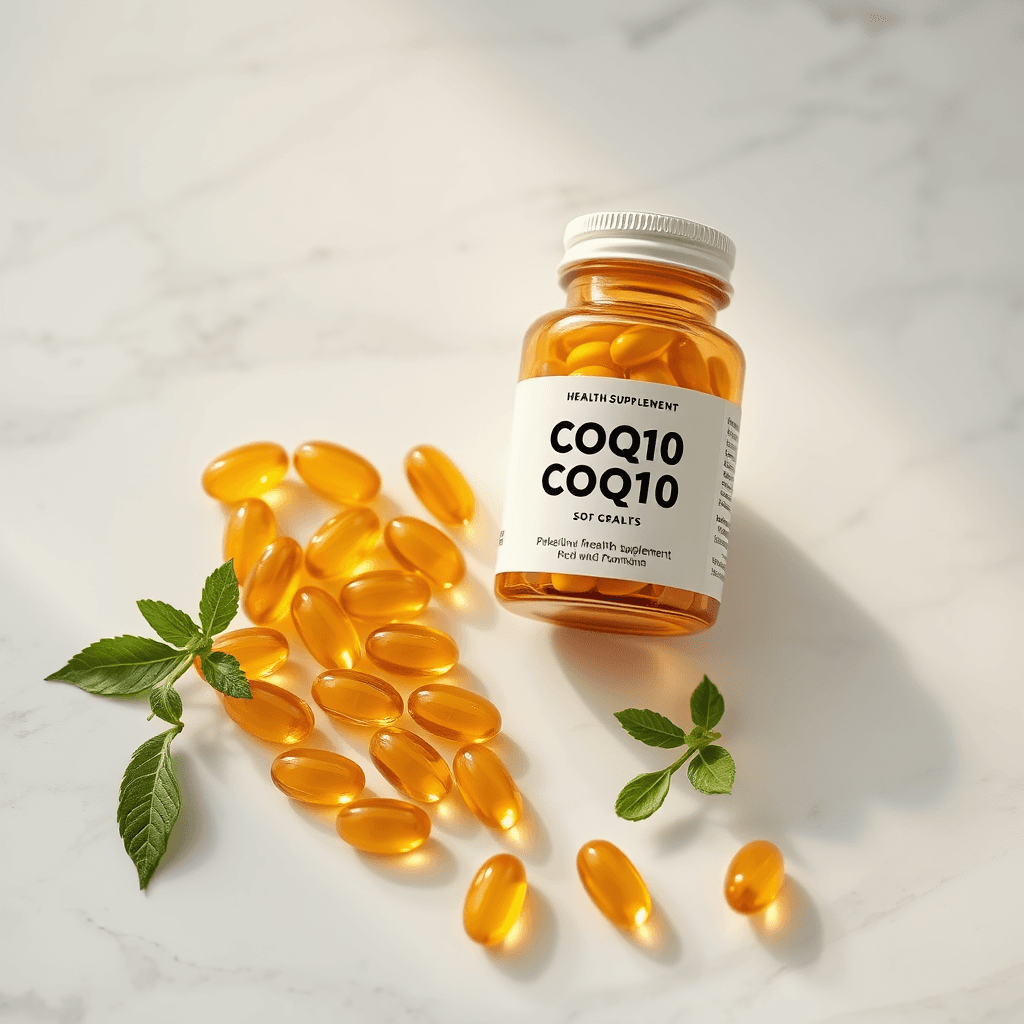
If you and your partner have been trying to conceive, you may have come across CoQ10 as a supplement that supports fertility. But what exactly is Coenzyme Q10, and does it actually help couples who are trying to have a baby?
CoQ10 fertility Pakistan is a growing search topic because more couples here are looking for natural ways to improve their chances of conception. Whether you are a woman concerned about egg quality or a man looking to boost sperm count, CoQ10 might be the missing piece in your fertility plan.
This guide breaks down the science, dosage, benefits for both men and women, and how to choose the right CoQ10 supplement in Pakistan.
What Is CoQ10 and Why Does It Matter for Fertility?
Coenzyme Q10 commonly called CoQ10 is a compound your body produces naturally. It lives inside the mitochondria of your cells, which are the tiny engines that generate energy for every biological process. Think of CoQ10 as the fuel that keeps your cellular machinery running.
Here is the problem: your body makes less CoQ10 as you age. By the time you reach your mid-30s, levels start dropping. And by your 40s, the decline becomes significant. This matters because egg cells and sperm cells are some of the most energy demanding cells in the human body. When CoQ10 drops, so does their quality.
CoQ10 Exists in Two Forms
- Ubiquinone — The oxidized form. Your body converts it to ubiquinol before using it. This is the most common and affordable form found in supplements.
- Ubiquinol — The active, reduced form. It is more expensive but easier for your body to absorb directly, especially if you are over 40.
Both forms work. Younger individuals (under 35) can use ubiquinone without any issues. Older individuals may benefit from ubiquinol for better absorption.
CoQ10 Benefits for Female Fertility
For women trying to conceive, egg quality is everything. Unlike sperm, which regenerates every 72 days, women are born with all the eggs they will ever have. These eggs age over time, and their mitochondria lose efficiency. This is where CoQ10 steps in.
Improved Egg Quality
A September 2025 review published in Frontiers in Cell and Developmental Biology found that CoQ10 supplementation can rejuvenate aging oocytes (eggs) by boosting mitochondrial health. The mitochondria in egg cells need enormous amounts of energy for proper maturation, fertilization, and early embryo development. When mitochondrial function declines with age, eggs become more prone to chromosomal errors.
CoQ10 restores the energy supply that eggs need to develop properly. This is particularly significant for women over 35 who face declining ovarian reserve.
Better Ovarian Response
Studies show that women who supplemented with CoQ10 before IVF cycles had better ovarian response meaning more mature eggs were retrieved and embryo quality improved. A clinical trial using 600mg daily for 30 to 60 days before ovarian stimulation showed measurable improvements in both egg numbers and quality.
Hormonal Balance Support
A 2025 review found that CoQ10 helps regulate hormones like cortisol and testosterone in women, and it reduces inflammation in the ovaries and pelvis. For women dealing with PCOS (Polycystic Ovary Syndrome) a condition that affects roughly 20 to 25 percent of Pakistani women of reproductive age this anti-inflammatory effect is particularly valuable.
Reduced Oxidative Stress
Oxidative stress damages eggs at the cellular level. Free radicals attack cell membranes and DNA, reducing egg viability. CoQ10 is one of the most powerful fat-soluble antioxidants in the body. It neutralizes reactive oxygen species (ROS) before they can damage your eggs.
CoQ10 Benefits for Male Fertility
Male fertility gets less attention in Pakistan, but it accounts for roughly 40 to 50 percent of all infertility cases. Sperm quality has declined globally over the past few decades, and Pakistani men are not immune to this trend. CoQ10 addresses multiple aspects of sperm health.
Higher Sperm Count
A meta-analysis published in January 2025, covering eight studies with approximately 900 patients, found that CoQ10 supplementation significantly increased total sperm count. This is important because low sperm count (oligospermia) is one of the most common causes of male infertility in Pakistan.
Better Sperm Motility
Motility refers to how well sperm swim. Even if sperm count is normal, poor motility means sperm cannot reach and fertilize the egg. CoQ10 enhances energy production in sperm cells, giving them the fuel they need to swim effectively through the female reproductive tract.
Improved Sperm Morphology
Morphology is the shape and structure of sperm. Abnormally shaped sperm have difficulty penetrating the egg. Research shows CoQ10 supplementation increases the percentage of normally formed sperm.
DNA Protection
Sperm DNA fragmentation is a hidden cause of infertility that standard semen analyses often miss. Oxidative stress damages sperm DNA, leading to failed fertilization, poor embryo development, or early miscarriage. CoQ10 strengthens sperm DNA integrity by neutralizing the free radicals that cause this damage.
CoQ10 Dosage for Fertility: How Much Should You Take?
Dosage varies based on gender, age, and specific fertility goals. Here are the evidence-based recommendations:
Group Recommended Daily Dose Duration Notes Women (general fertility) 200mg 3+ months Start at least 3 months before trying to conceive Women (over 35) 400-600mg 3+ months Higher dose compensates for age-related decline Women (IVF preparation) 600mg 30-60 days before cycle Clinical trials used this protocol Men (general fertility) 200-400mg 3+ months Matches sperm development cycle (72 days) Men (low sperm parameters) 400mg 3-6 months Higher dose shows greater improvementsImportant tips for absorption:
- CoQ10 is fat-soluble always take it with a meal that contains some fat (eggs, nuts, olive oil, butter)
- Split higher doses into two servings (morning and evening) for better absorption
- Consistency matters more than timing take it daily without skipping
- Give it at least 3 months to see results, as both egg maturation and sperm development take time
When to Start Taking CoQ10 for Fertility
Timing is critical. Here is a practical timeline for couples trying to conceive in Pakistan:
3 to 6 Months Before Trying
This is the ideal window. Eggs take about 3 months to mature before ovulation, and sperm requires 72 days to develop fully. Starting CoQ10 at least 3 months before trying to conceive gives the supplement enough time to improve the quality of both eggs and sperm.
Before IVF or Assisted Reproduction
If you are planning IVF at a fertility clinic in Lahore, Karachi, or Islamabad, discuss CoQ10 supplementation with your doctor. Clinical trials typically started supplementation 30 to 60 days before the stimulation cycle.
If You Are Over 35
Start as soon as possible. Age-related decline in CoQ10 is cumulative, and the sooner you begin supplementation, the more benefit your eggs and sperm will receive.
CoQ10 and PCOS: A Special Connection
PCOS is one of the most common reproductive health challenges in Pakistan. Estimates suggest that between 20 and 25 percent of Pakistani women of childbearing age are affected. CoQ10 offers specific benefits for PCOS patients:
- Reduces inflammation — PCOS is characterized by chronic low-grade inflammation. CoQ10’s antioxidant properties help reduce this.
- Improves insulin sensitivity — Some studies suggest CoQ10 may help with insulin resistance, a core feature of PCOS.
- Supports egg quality — PCOS patients often have eggs with compromised mitochondrial function. CoQ10 addresses this directly.
- Complements other treatments — CoQ10 works well alongside myo-inositol, metformin, and other PCOS treatments without interference.
If you are dealing with PCOS and fertility challenges, consider reading our complete guide to Myo-Inositol for PCOS in Pakistan for additional natural treatment options.
Food Sources of CoQ10 in Pakistan
While supplements provide therapeutic doses, you can also get CoQ10 from food. Here are sources commonly available in Pakistan:
Food Source CoQ10 Content (per 100g) Availability in Pakistan Beef heart 11.3mg Available at butcher shops (ask for “dil”) Chicken thigh 1.4mg Widely available Sardines 6.4mg Canned sardines at grocery stores Spinach (palak) 1.0mg Common vegetable everywhere Peanuts (moongphali) 2.6mg Widely available, affordable Soybeans 1.2mg Available at larger grocery chains Eggs 0.4mg A Pakistani kitchen staple Mustard oil (sarson ka tel) Trace amounts Traditional cooking oil in PakistanReality check: Even eating organ meats daily would only give you 10 to 15mg of CoQ10. Therapeutic fertility doses start at 200mg. This is why supplementation is necessary if you are trying to conceive diet alone cannot provide enough.
How to Choose a CoQ10 Supplement in Pakistan
The Pakistani supplement market has grown significantly, and you will find both local and imported CoQ10 options. Here is what to look for:
Key Factors When Buying
- Form: Ubiquinone (affordable, good for under 35) or Ubiquinol (better absorption, recommended for over 40)
- Dosage per capsule: Look for 100mg or 200mg capsules to make dosing convenient
- Third-party testing: Reputable brands have quality certifications
- Bioavailability: Softgels with oil-based formulas absorb better than dry powder capsules
- Additional ingredients: Some fertility supplements combine CoQ10 with other beneficial compounds like L-arginine, selenium, or folic acid
Where to Buy in Pakistan
- Online pharmacies: Daraz.pk, Naheed.pk, and specialized supplement stores
- Retail pharmacies: Chains like Shaheen Chemist, Fazal Din, and D. Watson carry supplements
- International options: iHerb ships to Pakistan (expect customs duties on orders above PKR 1,000)
For men looking to combine CoQ10 with L-arginine for male fertility, check out our Argivital Sachet guide a comprehensive male fertility supplement that includes CoQ10 alongside L-Arginine 2g and Lycopene.
CoQ10 Combined With Other Fertility Supplements
CoQ10 works best as part of a broader fertility supplement strategy. Here are common combinations that Pakistani couples use:
For Women
Supplement Role Combined Benefit with CoQ10 Myo-Inositol PCOS management, egg quality Addresses both energy and hormonal aspects of egg health Folic Acid (5-MTHF) Neural tube defect prevention Essential prenatal + mitochondrial support Vitamin D3 Hormone regulation, implantation Most Pakistani women are deficient crucial for fertility Omega-3 (DHA/EPA) Egg membrane health, anti-inflammatory Both are fat-soluble, absorb well togetherFor Men
Supplement Role Combined Benefit with CoQ10 L-Arginine Blood flow, sperm production Energy + blood flow — a powerful fertility combination Zinc Testosterone, sperm formation Structural support + energy support for sperm Selenium Sperm motility, antioxidant Dual antioxidant protection for sperm DNA Vitamin E Sperm membrane protection Fat-soluble antioxidants work synergisticallyMulti-ingredient formulations may be more effective than taking CoQ10 alone. A November 2025 meta-analysis found that fertility benefits were more pronounced when CoQ10 was combined with other supportive nutrients rather than used in isolation.
Side Effects and Safety of CoQ10
CoQ10 has an excellent safety profile. It is a naturally occurring substance in your body, and supplementation simply restores levels that decline with age. That said, here are some things to know:
Common Side Effects (Usually Mild)
- Mild stomach discomfort — take with food to minimize this
- Nausea — more common at doses above 400mg, splitting the dose helps
- Insomnia — take your dose in the morning or afternoon, not before bed
- Headache — rare, usually resolves within a few days
Drug Interactions
- Blood thinners (warfarin): CoQ10 may reduce the effectiveness of warfarin. Consult your doctor.
- Blood pressure medications: CoQ10 can lower blood pressure slightly, which may enhance the effect of BP medications.
- Statins: Statins actually deplete CoQ10 levels, so supplementation is often recommended alongside statin use.
- Diabetes medications: CoQ10 may affect blood sugar levels. Monitor closely if you are diabetic.
During pregnancy: While CoQ10 is used primarily before conception, its safety during pregnancy has not been extensively studied. Most fertility specialists recommend stopping CoQ10 once pregnancy is confirmed, unless your doctor advises otherwise.
What the Research Actually Shows: An Honest Assessment
Transparency matters. Here is what we know and what we do not:
Strong evidence supports:
- CoQ10 improves sperm count, motility, and morphology (multiple meta-analyses)
- CoQ10 improves egg quality markers and ovarian response in IVF settings
- CoQ10 levels decline with age, correlating with reduced fertility
- CoQ10 is a powerful antioxidant that reduces oxidative stress in reproductive cells
More research is needed on:
- Direct impact on natural conception rates and live birth rates
- Optimal dosing protocols for different age groups
- Long-term effects of high-dose supplementation
- Head-to-head comparisons of ubiquinone versus ubiquinol for fertility
The evidence is promising, not definitive. CoQ10 is not a magic pill, but the biological rationale and clinical data make it a reasonable addition to a fertility support protocol.
Frequently Asked Questions
How long does CoQ10 take to improve fertility?
Most fertility specialists recommend taking CoQ10 for at least 3 months before trying to conceive. This aligns with the egg maturation cycle (approximately 90 days) and the sperm development cycle (approximately 72 days). Some improvements in sperm parameters may be seen within 4 to 8 weeks, but full benefits require 3 to 6 months of consistent supplementation.
Can I take CoQ10 with myo-inositol for PCOS?
Yes. CoQ10 and myo-inositol target different aspects of PCOS and fertility. Myo-inositol improves insulin sensitivity and hormonal balance, while CoQ10 boosts mitochondrial energy in egg cells. They do not interfere with each other and are commonly used together by fertility specialists. Many Pakistani women with PCOS benefit from this combination.
Is CoQ10 safe during pregnancy?
CoQ10 is primarily recommended for the preconception period (before pregnancy). While no serious safety concerns have been reported, there is limited research on CoQ10 use during pregnancy. Most doctors recommend discontinuing CoQ10 once pregnancy is confirmed and switching to a standard prenatal vitamin. Always discuss with your gynecologist before making any changes.
Should men and women take different doses of CoQ10?
Women generally start at 200mg daily, increasing to 400 to 600mg if over 35 or preparing for IVF. Men typically take 200 to 400mg daily. The higher range (400mg) tends to show greater improvements in sperm parameters. Both should take CoQ10 with fatty meals for optimal absorption.
Where can I buy CoQ10 supplements in Pakistan?
CoQ10 supplements are available at major pharmacy chains across Lahore, Karachi, Islamabad, and Rawalpindi. Online options include Daraz.pk, Naheed.pk, and international sites like iHerb that ship to Pakistan. Look for reputable brands with 100mg or 200mg per capsule for convenient dosing.
Conclusion: Is CoQ10 Worth It for Fertility in Pakistan?
For couples trying to conceive in Pakistan, CoQ10 is one of the most well-researched fertility supplements available. It addresses a fundamental biological reality: as we age, our cells produce less energy, and our reproductive cells suffer first.
The evidence shows that CoQ10 supplementation improves egg quality in women, boosts sperm count and motility in men, and provides powerful antioxidant protection for reproductive cells. It is safe, affordable, and widely available in Pakistan.
Start with 200mg daily (or 400 to 600mg if you are over 35), take it with food, and give it at least 3 months. Combine it with other evidence-based fertility supplements for the best results.
If you are looking for a comprehensive male fertility solution that already includes CoQ10, explore Argivital Sachet which combines L-Arginine 2g, CoQ10, and Lycopene in a single convenient sachet.
For women dealing with PCOS, our M-Sol Sachet provides myo-inositol alongside other fertility supporting nutrients.
Your fertility journey matters. Take the right supplements, give them time to work, and consult your doctor for a personalized plan.