Bone Health in Pakistan: Calcium vs Magnesium — Which One Do You Actually Need?
Complete guide to bone health supplements in Pakistan. Learn whether calcium or magnesium matters more, best food sources, dosage, and how to prevent osteoporosis naturally.
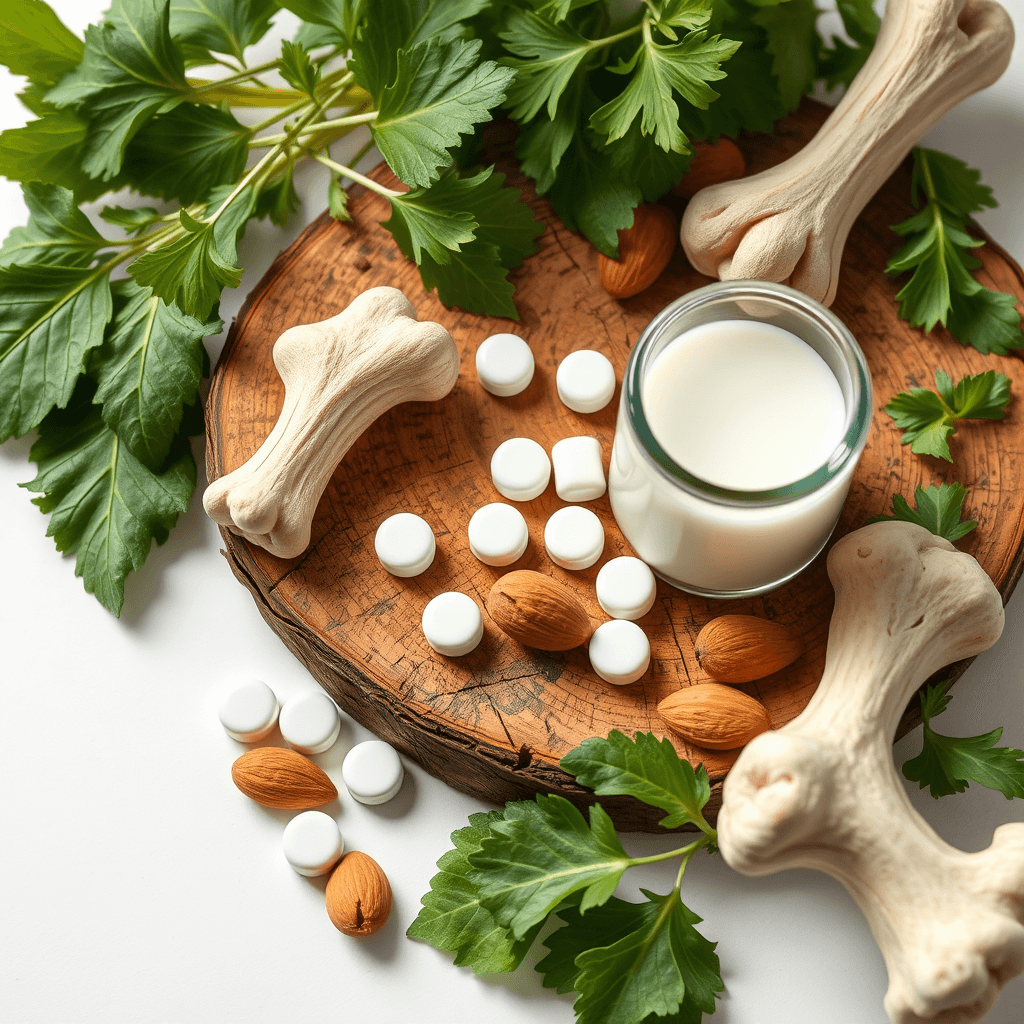
Pakistan has a bone crisis hiding in plain sight. Studies estimate that 40% of Pakistani women over 45 and nearly 20% of men over 50 have osteopenia or osteoporosis weakened bones that fracture from minor falls, bending, or even coughing. A fractured hip in an elderly Pakistani parent changes the entire family’s life: months of bed rest, lost income for the caretaker, and a mortality risk that climbs above 20% within the first year.
The standard advice everyone hears? “Drink more milk. Take calcium.” But here is what most people and many doctors in busy OPDs overlook: calcium alone does not build strong bones. Magnesium, vitamin D, vitamin K2, and several trace minerals play equally critical roles. Getting the balance wrong does not just waste money it can actually increase health risks.
This guide breaks down everything you need to know about bone health supplements in Pakistan: the calcium-magnesium relationship, what Pakistani diets actually provide, who needs supplementation, and how to choose the right products without falling for marketing hype.
Table of Contents
- Why Bone Health Is a Growing Crisis in Pakistan
- How Bones Actually Work (The Living Tissue You Ignore)
- Calcium: What It Does and What It Cannot Do Alone
- Magnesium: The Missing Piece in Pakistani Bone Health
- Calcium vs Magnesium: Head-to-Head Comparison
- The Full Bone Health Team: Vitamin D, K2, and Trace Minerals
- Pakistani Diet Reality Check: What You Are Actually Getting
- Who Needs Bone Health Supplements in Pakistan
- How to Choose the Right Bone Supplement
- Lifestyle Factors That Matter More Than Supplements
- Frequently Asked Questions
Why Bone Health Is a Growing Crisis in Pakistan
Bone disease in Pakistan is not a future problem it is happening now. The numbers paint a grim picture that most families only confront when a fracture occurs:
- Vitamin D deficiency affects 60-80% of Pakistanis across all age groups. Despite living in a sunny country, cultural practices (limited sun exposure, full-body covering), indoor lifestyles, and air pollution in cities like Lahore and Karachi block the skin’s ability to synthesise vitamin D. Without vitamin D, your body cannot absorb calcium from food no matter how much doodh you drink.
- Dietary calcium intake averages 400-500 mg/day in most Pakistani households well below the recommended 1,000-1,200 mg. While we consume dairy, the quantities are declining as processed food replaces traditional diets. Urban families increasingly substitute chai with carbonated drinks, which actively leach calcium from bones.
- Magnesium deficiency is nearly universal but rarely tested or discussed. Pakistani soil in many agricultural regions has been depleted of magnesium through decades of intensive farming. The grains, vegetables, and fruits grown in this soil carry less magnesium than they did 30 years ago. Processing and refining (white flour vs whole wheat) strip even more.
- Physical inactivity is rising sharply, especially among urban women. Weight-bearing exercise walking, climbing stairs, lifting directly stimulates bone formation. The shift toward sedentary lifestyles, particularly among women who spend most hours indoors, removes this crucial bone-building stimulus.
The result: Pakistani orthopaedic wards are filled with fracture patients who had no idea their bones were weakening until something snapped.
How Bones Actually Work (The Living Tissue You Ignore)
Most people think of bones as static structures like the steel frame of a building. They are not. Bones are living, dynamic tissue in constant renovation. Understanding this changes how you approach bone health.
Your skeleton completely replaces itself every 7-10 years through a process called bone remodelling. Two types of cells drive this:
- Osteoclasts break down old, damaged bone tissue (resorption). Think of them as the demolition crew.
- Osteoblasts build new bone tissue (formation). They are the construction crew.
In healthy adults, demolition and construction stay balanced. After age 35, the demolition crew starts outpacing construction. By menopause in women, the imbalance accelerates dramatically due to falling oestrogen levels which is why postmenopausal women in Pakistan face the highest osteoporosis risk.
The minerals you consume calcium, magnesium, phosphorus, zinc, boron are the raw building materials the osteoblasts use. Without adequate supply, they cannot build. But here is the critical insight: simply flooding the body with calcium does not force the osteoblasts to work faster. You need the full team of nutrients, hormones, and physical stress signals working together.
Calcium: What It Does and What It Cannot Do Alone
Calcium is the most abundant mineral in your body. About 99% of it lives in your bones and teeth. The remaining 1% circulates in blood and cells, managing muscle contraction, nerve signalling, blood clotting, and heart rhythm.
What Calcium Actually Does for Bones
Calcium combines with phosphate to form hydroxyapatite crystals the hard, mineral component that gives bones their strength and rigidity. Without adequate calcium, bones become less dense and more prone to fracture. This is the fundamental truth behind the “drink milk” advice.
Why Calcium Alone Falls Short
Here is where the simple narrative breaks down:
- Absorption requires vitamin D. Without sufficient vitamin D (and remember, 60-80% of Pakistanis are deficient), your intestines absorb only 10-15% of dietary calcium. With adequate vitamin D, absorption jumps to 30-40%. Taking calcium without fixing vitamin D deficiency is like pouring water into a bucket with holes.
- Calcium needs magnesium to reach bones. Magnesium activates the enzymes that convert vitamin D into its active form (calcitriol), which then enables calcium absorption. It also stimulates the hormone calcitonin, which directs calcium from blood into bones rather than letting it deposit in arteries and kidneys. Without magnesium, calcium can end up in the wrong places.
- Excess calcium without cofactors causes problems. Large-dose calcium supplementation (above 1,000 mg/day) without adequate magnesium, D3, and K2 has been linked to increased cardiovascular risk in some studies. The calcium deposits in arterial walls instead of bones a condition called vascular calcification.
- Calcium type matters. Calcium carbonate (the cheapest and most common form in Pakistan) requires stomach acid for absorption. People over 50 produce less stomach acid. Calcium citrate absorbs better regardless of acid levels but costs more. Calcium lactate gluconate offers the best absorption profile of all.
Best Calcium Sources in Pakistani Diet
Food Calcium (mg per serving) Notes Doodh (whole milk, 1 glass) 280-300 Best absorbed with vitamin D Dahi (yogurt, 1 cup) 250-300 Fermentation improves absorption Paneer (100g) 200-250 Good protein + calcium combination Sarson ka saag (1 cup) 190-250 Excellent non-dairy source Bhindi / Lady finger (1 cup) 80-100 Modest but adds up Roti (whole wheat, 2 pieces) 40-60 Small contribution from wheat Chana (chickpeas, 1 cup) 80-100 Also provides magnesium Til / Sesame seeds (1 tbsp) 90-100 Excellent density per gramReality check: To hit 1,000 mg from diet alone, you need roughly 3 glasses of milk + 1 cup of dahi + a serving of leafy greens daily. Most Pakistani adults especially women who eat smaller portions fall significantly short.
Magnesium: The Missing Piece in Pakistani Bone Health
If calcium is the brick, magnesium is the mortar. Without it, the structure crumbles. Yet while everyone talks about calcium, magnesium is almost never discussed in Pakistani health conversations.
Why Magnesium Matters for Bones
- 60% of body magnesium is stored in bones. Magnesium directly contributes to bone mineral density and crystal structure. Low magnesium makes bones more brittle even if calcium levels appear normal.
- Magnesium activates vitamin D. Without magnesium, vitamin D stays in its inactive storage form. You can take 5,000 IU of vitamin D daily, but if magnesium is deficient, your body cannot convert it to the active form that enables calcium absorption. This is why many Pakistanis take vitamin D supplements yet remain deficient on blood tests they are magnesium-deficient.
- Magnesium regulates parathyroid hormone (PTH). PTH controls calcium balance. Low magnesium causes PTH dysregulation, leading to calcium being pulled from bones into blood the opposite of what you want.
- Magnesium reduces inflammation. Chronic low-grade inflammation accelerates bone resorption (the osteoclast demolition crew). Magnesium’s anti-inflammatory properties help maintain the balance between bone breakdown and bone formation.
Magnesium Deficiency Signs Pakistanis Ignore
Because magnesium is involved in 300+ enzymatic reactions, deficiency shows up everywhere but people rarely connect the dots:
- Muscle cramps and spasms (especially leg cramps at night)
- Fatigue and weakness despite adequate sleep
- Poor sleep quality and difficulty falling asleep
- Anxiety, irritability, and mood swings
- Irregular heartbeat or palpitations
- Numbness or tingling in hands and feet
- Frequent headaches or migraines
Sound familiar? These are symptoms that millions of Pakistanis experience daily and attribute to “stress” or “weakness” rather than a specific mineral deficiency.
Best Magnesium Sources in Pakistani Diet
Food Magnesium (mg per serving) Notes Badam / Almonds (1/4 cup) 95-105 Best snack for magnesium Palak / Spinach (1 cup cooked) 150-160 Outstanding source Kaju / Cashews (1/4 cup) 80-90 Also provides copper, zinc Moong dal (1 cup cooked) 80-90 Staple Pakistani pulse Brown rice (1 cup cooked) 80-85 White rice has 80% less magnesium Dark chocolate (30g) 50-65 70%+ cacao preferred Kela / Banana (1 medium) 30-35 Modest source, easily available Atta roti (whole wheat, 2 pieces) 40-50 Maida roti has almost noneThe processing problem: When whole wheat becomes maida (refined white flour), it loses roughly 80% of its magnesium. When brown rice becomes white rice, the same thing happens. Pakistan’s increasing preference for refined grains directly contributes to magnesium deficiency across the population.
Calcium vs Magnesium: Head-to-Head Comparison
This is the question everyone asks, and the answer is not “one or the other.” But understanding the differences helps you make smarter choices:
Factor Calcium Magnesium Bone role Primary structural mineral (hydroxyapatite crystals) Bone crystal structure + enzyme activation + vitamin D conversion Daily requirement 1,000-1,200 mg (adults) 310-420 mg (adults) Pakistani diet provides ~400-500 mg (deficit) ~200-250 mg (deficit) Deficiency prevalence in Pakistan High (50-60%) Very high (70-80%) Deficiency symptoms Often silent until fracture occurs Muscle cramps, poor sleep, fatigue, anxiety Supplementation risk if imbalanced Excess without Mg/D3/K2 → arterial calcification Excess → loose stools (self-limiting, not dangerous) Best supplement form Calcium citrate or calcium lactate gluconate Magnesium glycinate or magnesium citrate Absorption helpers Vitamin D3, magnesium, stomach acid Vitamin B6, vitamin D3 Foods rich in it Dairy, leafy greens, sesame seeds Nuts, seeds, dark leafy greens, whole grains Timing Split doses, with meals Evening (aids sleep), with or without foodThe verdict: You need both. The optimal calcium-to-magnesium ratio for bone health is approximately 2:1 (e.g., 1,000 mg calcium : 500 mg magnesium). Most Pakistanis get roughly enough calcium from dairy but are severely deficient in magnesium which means the calcium they consume cannot be properly utilised anyway.
If you can only address one deficiency first, fix magnesium. It unlocks the vitamin D pathway, which unlocks calcium absorption from food, which often makes high-dose calcium supplementation unnecessary.
The Full Bone Health Team: Vitamin D, K2, and Trace Minerals
Bones require teamwork. Here is the complete roster:
Vitamin D3 — The Calcium Gatekeeper
Without vitamin D3, you absorb only 10-15% of dietary calcium. With it, 30-40%. For Pakistanis 60-80% of whom are vitamin D deficient this single nutrient often makes the biggest difference. A daily dose of 2,000-5,000 IU is generally needed to reach and maintain optimal blood levels (50-80 nmol/L). Severely deficient individuals may need higher doses initially, under medical guidance.
Vit KD from Yellow Pink provides 10,000 IU of Vitamin D3 paired with Vitamin K2 ideal for correcting established deficiency quickly before moving to a maintenance dose.
Vitamin K2 — The Calcium Traffic Director
Vitamin K2 (specifically the MK-7 form) activates two critical proteins:
- Osteocalcin: Directs calcium into bones and teeth
- Matrix GLA Protein (MGP): Prevents calcium from depositing in arteries, kidneys, and joints
Without K2, calcium supplementation is like shipping packages without addresses the calcium goes somewhere, but not necessarily where you need it. K2 ensures calcium reaches bones and stays out of soft tissues.
Zinc — The Osteoblast Activator
Zinc stimulates osteoblast activity (bone formation) and inhibits osteoclast activity (bone breakdown). Pakistan has moderate zinc deficiency rates, especially in populations eating phytate-rich diets (whole grains, legumes) that inhibit zinc absorption.
Boron — The Trace Mineral Amplifier
Boron supports the metabolism of calcium, magnesium, and vitamin D. It also reduces urinary excretion of calcium and magnesium meaning you retain more of what you consume. Found in fruits, nuts, and legumes.
Pakistani Diet Reality Check: What You Are Actually Getting
Let us examine a typical Pakistani adult’s daily diet through the bone health lens:
Typical Urban Pakistani Diet (Bone Health Audit)
Meal Common Items Calcium Magnesium Vitamin D Nashta (Breakfast) Paratha + chai with milk + anda ~120 mg ~30 mg Minimal Dopahar (Lunch) Rice + daal + sabzi + roti ~80 mg ~60 mg None Chai (Afternoon) Chai with milk + biscuits ~60 mg ~10 mg None Raat ka khana (Dinner) Chicken/gosht + roti + salad ~50 mg ~40 mg Minimal Snacks Fruit, nuts (occasional) ~30 mg ~40 mg None Daily Total ~340 mg ~180 mg ~100 IU Recommended 1,000-1,200 mg 310-420 mg 2,000-5,000 IU Deficit 660-860 mg 130-240 mg 1,900-4,900 IUThe gap is staggering. Even “healthy” Pakistani diets that include dairy and vegetables fall dramatically short of bone-supporting nutrient levels. And this is before accounting for factors that deplete these minerals further: stress, medications (antacids, PPIs), excessive chai consumption (tannins in tea reduce mineral absorption), and carbonated drinks.
Who Needs Bone Health Supplements in Pakistan
High Priority (Start Now)
- Women over 40: Bone loss accelerates 5-7 years before menopause. By the time symptoms appear, significant density has already been lost. Prevention beats treatment.
- Postmenopausal women: Oestrogen decline dramatically accelerates bone resorption. Supplementation is nearly essential unless diet is exceptionally rich in bone-supporting nutrients.
- Men over 55: Male bone loss is slower but real. Testosterone decline after 50 removes protective effects on bone density.
- Anyone with vitamin D deficiency: If your 25(OH)D level is below 30 ng/mL (and statistically, it probably is), you need supplementation to unlock calcium absorption.
- People on PPIs or antacids: Long-term use of omeprazole, lansoprazole, or similar reduces stomach acid, which reduces calcium absorption by 30-40%.
Moderate Priority (Consider Supplementation)
- Adults 30-40 with poor diets: Peak bone mass is reached around age 30. The higher your peak, the more reserve you have. If your diet lacks dairy and greens, supplementation helps maintain density.
- Physically inactive individuals: Without weight-bearing exercise stimulus, bones lose density faster. Supplementation partially compensates but does not replace exercise.
- Heavy chai drinkers (4+ cups daily): Tannins in tea bind calcium and iron, reducing absorption. If you will not reduce chai, you need more calcium to compensate.
- People with family history of osteoporosis: Genetics account for 60-80% of bone density variation. If your mother or father had fractures or lost height with age, you are at higher risk.
How to Choose the Right Bone Supplement
Walking into a pharmacy in Islamabad, Lahore, or Karachi, you will find shelves of calcium supplements. Most are calcium carbonate the cheapest form with the worst absorption in older adults. Here is how to choose intelligently:
What to Look For
- Calcium form: Calcium lactate gluconate or calcium citrate absorb better than calcium carbonate, especially in people over 50 with lower stomach acid. Avoid calcium carbonate if you take PPIs.
- Magnesium inclusion: A bone supplement without magnesium is incomplete. Look for magnesium glycinate (best absorbed, gentle on stomach) or magnesium citrate.
- Vitamin D3 and K2: The best formulations include D3 and K2 (MK-7 form) to ensure calcium goes where it should into bones, not arteries.
- Dosage splitting: Your body absorbs a maximum of ~500 mg of calcium at once. Products providing 1,000 mg in a single tablet are poorly designed. Look for formulations meant to be taken 2-3 times daily.
- Avoid excessive doses: More is not better. Total calcium intake (diet + supplements) should not exceed 1,500 mg/day. Above this, cardiovascular risks increase without additional bone benefit.
Recommended option: Calco Fit from Yellow Pink provides magnesium glycinate the most bioavailable form of magnesium for bone and muscle health. For vitamin D3 and K2 to complete the bone health stack, pair it with Vit KD which delivers 10,000 IU D3 + K2-MK7 in one daily dose.
Lifestyle Factors That Matter More Than Supplements
Supplements fill nutritional gaps. But they cannot replace the foundational lifestyle factors that determine bone health:
1. Weight-Bearing Exercise (Most Important)
Bones respond to mechanical stress by growing stronger a principle called Wolff’s Law. The best exercises for bone density:
- Walking (30 minutes daily) — Accessible for everyone, especially effective for hip bone density
- Stair climbing — Superior to flat walking for bone stimulus
- Resistance training (2-3x/week) — The single most effective bone-building exercise. Even light dumbbell work provides significant stimulus
- Standing and balance exercises — Prevents falls, which prevents fractures
Swimming and cycling, while excellent for cardiovascular health, provide minimal bone stimulus because they are not weight-bearing.
2. Sun Exposure
Just 15-20 minutes of direct sunlight on arms and face without sunscreen between 10 AM and 2 PM generates 10,000-20,000 IU of vitamin D. In Pakistan, this is available most of the year. The challenge is cultural: many women are fully covered outdoors, office workers stay inside during peak hours, and urban air pollution in cities like Lahore blocks UV rays.
Practical tip: Even exposing arms in a private courtyard or rooftop for 15 minutes counts. If sun exposure is genuinely impractical, supplementation with Vit KD becomes non-negotiable.
3. Protein Intake
Bone is roughly 50% protein by volume. The collagen matrix gives bones their flexibility and resilience. Pakistani diets that are heavy on carbohydrates (roti, rice, chai) but light on protein (especially for women) compromise bone matrix quality. Aim for 1-1.2 g of protein per kg of body weight daily from daal, eggs, chicken, fish, paneer, and yogurt.
4. Reduce Bone Robbers
- Excessive tea: More than 3-4 cups daily reduces calcium absorption significantly. If you must drink chai, avoid it within an hour of calcium-rich meals.
- Carbonated drinks: Cola contains phosphoric acid, which increases calcium excretion. Regular consumption is a documented risk factor for fractures.
- Excessive salt: High sodium intake increases urinary calcium loss. Pakistani cuisine tends to be salt-heavy reducing salt benefits both bones and blood pressure.
- Smoking: Directly toxic to osteoblasts and reduces calcium absorption. One more reason to quit.
Frequently Asked Questions
Is calcium or magnesium more important for bone health?
Both are essential, but if you must prioritise one, fix magnesium first. Magnesium activates vitamin D, which controls calcium absorption. Without adequate magnesium, calcium supplementation is inefficient and potentially risky. The ideal approach is supplementing both together in a 2:1 calcium-to-magnesium ratio, along with vitamin D3 and K2. Most Pakistanis are severely deficient in magnesium while getting moderate calcium from dairy making magnesium the bigger gap to address.
Can I get enough calcium and magnesium from Pakistani food alone?
Theoretically yes, practically unlikely. You would need 3+ glasses of milk, a cup of yogurt, a large serving of leafy greens, and a handful of almonds daily consistently, every single day. Most Pakistani adults, especially women with smaller appetites, fall 40-60% short of calcium and magnesium targets from diet alone. This gap widens further because tea tannins and phytates in whole grains reduce absorption of both minerals.
When should I start taking bone supplements in Pakistan?
Prevention is far more effective than treatment. Ideally, women should begin bone-supporting supplementation by age 35-40, before the accelerated bone loss that begins in perimenopause. Men should consider it by age 50. However, anyone of any age with confirmed vitamin D deficiency (which includes the majority of Pakistanis) should address it immediately. Getting a DEXA scan after age 50 provides a baseline bone density measurement to guide supplement decisions.
What is the best time to take calcium and magnesium supplements?
Take calcium in divided doses with meals (no more than 500 mg at once for optimal absorption). Take magnesium in the evening it promotes relaxation and sleep quality. Do not take calcium and magnesium at the exact same time in high doses, as they compete for absorption. Space them at least 2 hours apart. Vitamin D3 should be taken with a fat-containing meal for best absorption.
Are bone supplements safe for long-term use?
Yes, when taken at recommended doses with proper cofactors. The safety concerns apply to high-dose calcium (above 1,500 mg/day) taken without magnesium, D3, and K2 which can increase cardiovascular risk. A balanced bone health supplement providing calcium, magnesium, vitamin D3, and K2 in appropriate ratios is safe for long-term use and is, in fact, recommended for ongoing bone protection in at-risk populations.
Conclusion
Bone health in Pakistan demands more attention than it receives. By the time a fracture happens, years of silent bone loss have already occurred. The solution is not complicated, but it requires understanding that bone health supplements in Pakistan must go beyond calcium alone.
The evidence is clear: you need calcium and magnesium together, supported by vitamin D3 and K2, combined with weight-bearing exercise and smart dietary choices. Fixing the widespread magnesium deficiency in Pakistani diets is arguably the highest-impact single step it unlocks vitamin D function, improves calcium utilisation, and delivers its own direct benefits to bone structure.
Start with the basics: get your vitamin D levels checked, increase magnesium-rich foods (almonds, spinach, whole grains), maintain daily dairy intake, walk for 30 minutes, and consider targeted supplementation if you are over 40 or have risk factors.
Ready to support your bone health? Explore Calco Fit for magnesium glycinate support and Vit KD for vitamin D3 + K2 — available nationwide from Yellow Pink Pakistan. Your bones are building or breaking every day. Choose building.